


Development in Africa is often measured through economic growth, education, healthcare, infrastructure, and living standards. One of the most recognised tools for measuring this progress is the United Nations Human Development Index (HDI), which ranks countries by life expectancy, education, and income.
According to the latest HDI rankings, six African countries stand out for their performance in human development. These countries have invested in education, healthcare systems, economic reforms, and public services that continue to shape the lives of millions of people. According to the World Population Review, here are the 6 most developed countries in Africa in 2026
Seychelles — HDI: 0.848
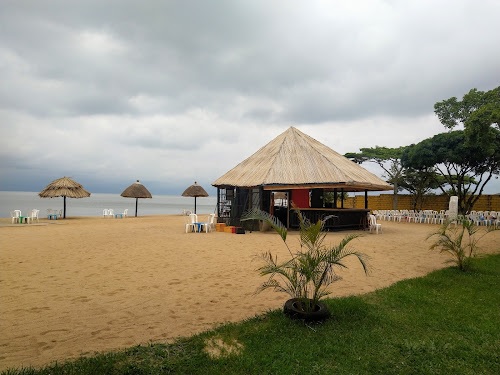
Seychelles ranks as the most developed country in Africa based on the Human Development Index. The island nation has maintained steady progress through tourism, fisheries, and financial services.
Mauritius — HDI: 0.806
Mauritius is Africa’s second most developed country and one of the continent’s leading economic centres. Over the years, the country moved from an agriculture-based economy into sectors such as finance, manufacturing, tourism, and technology.
Algeria — HDI: 0.763
Algeria ranks third on the list, supported largely by its oil and gas sector. Revenue from energy exports has enabled the government to invest in housing, education, and healthcare programmes.
Egypt — HDI: 0.754
Egypt remains one of Africa’s largest economies and most influential countries. With a population of more than 100 million people, the country has focused on expanding infrastructure, transport systems, and industrial production. Large-scale government projects, including new roads, cities, and energy developments, have contributed to economic activity.
Tunisia — HDI: 0.746
Tunisia has long maintained strong education and healthcare systems. The country records high literacy rates and has one of the more developed public health structures in North Africa. Tourism, agriculture, and manufacturing remain important sectors of the economy. Its infrastructure network, universities, and healthcare institutions remain among the largest in Africa. South Africa also plays a major role in trade and investment across the continent.